MaxiNGO: international project in South Kurzeme strengthens NGO digital skills and cooperation
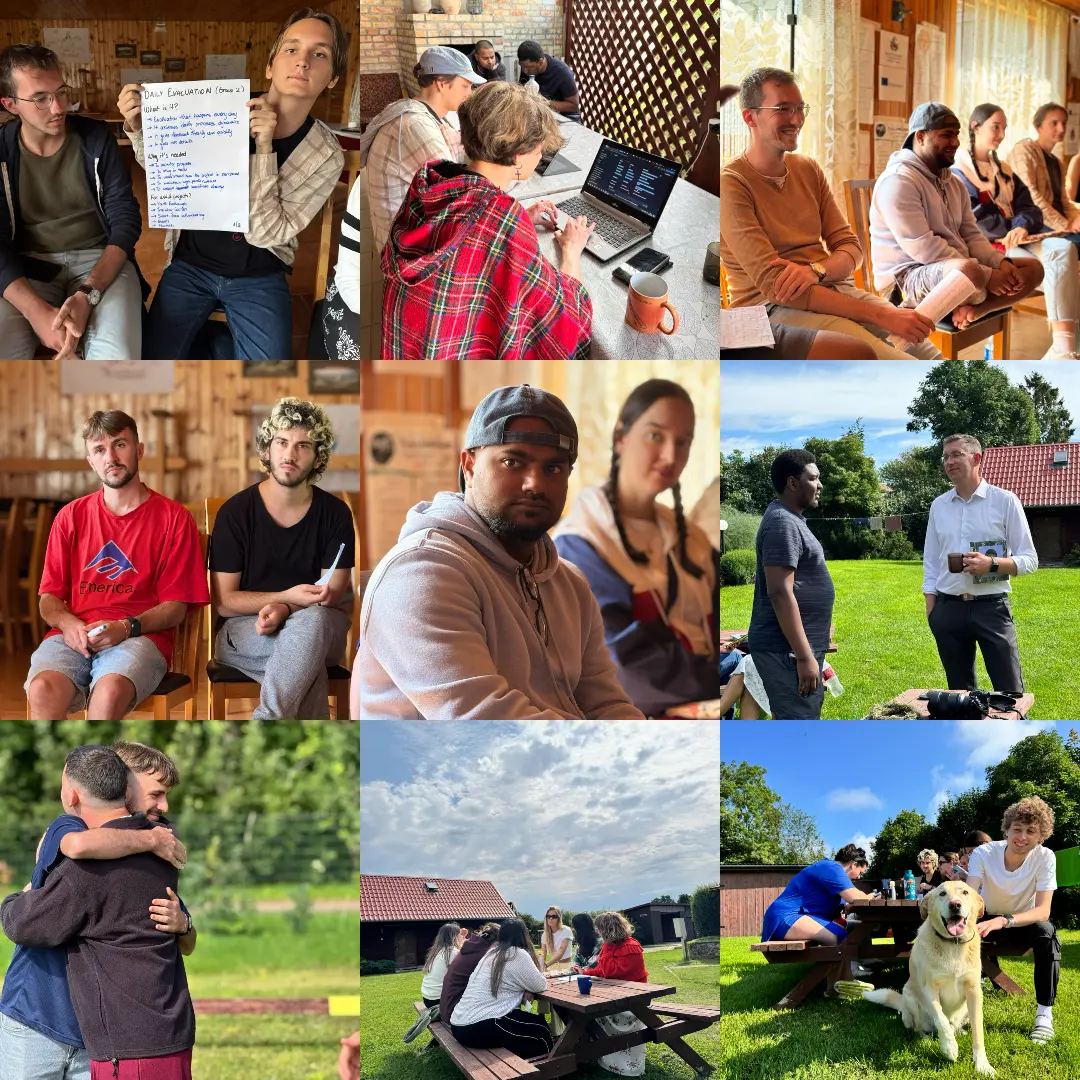
Keep the Change launched the Erasmus+ small-scale partnership project "MaxiNGO" (No. 2024-3-LV02-KA210-YOU-000266797). In August 2025, an intensive 7-day training course by the Baltic Sea brought together youth workers and NGO representatives from Latvia, Germany, Greece and Portugal to strengthen digital skills, visibility, project management quality and international cooperation in the youth field.
In the first days, participants focused on team building and getting to know each other. During the "NGO Fair", participants presented the work of their organisations, their challenges and needs — from email and information management to internal communication and volunteer involvement. In total, 16 organisations contributed to the project: 4 official partners, several emerging NGO founders and both new and experienced organisations working with mental health, inclusion, sustainability and digital tools.
In the following days, participants explored the opportunities of the Erasmus+ programme in youth work in depth — from international youth exchanges to local initiatives. In practical workshops, mixed international teams developed new project ideas, analysed real NGO problem situations, formulated SMART objectives, planned activities and sustainable results. Over the week, seven concrete project ideas took shape — some suited to the Erasmus+ context, others oriented towards local implementation in each country.
Special attention was given to practical tools that matter in the daily life of an NGO. Participants analysed how a high-quality Infopack shapes participants' experience, created their own "good and bad practice" list and compiled a recommendations section for the MaxiNGO toolkit. The "Participant Selection" simulation game played out common dilemmas — how to balance inclusion, motivation, project needs and risks when choosing participants for a limited number of places. These discussions produced practical advice for participant selection and support, as well as "red flag" signs NGOs can use when planning their next projects.
During the training, youth workers tested and compared several digital tools for project management, communication and file management — Trello, Notion, Asana, Google Drive, Dropbox, WhatsApp, Slack, Signal, Discord and others. Beyond presenting the options, they also laid the foundation for a handbook with practical examples of how to integrate these tools into everyday NGO work within weeks. In parallel, participants learned to create visually appealing social media content and used Canva to build ready-made templates for event announcements, quote cards, informative posts and other communication materials.
One of the central themes of the week was working with conflict in the NGO environment. Participants anonymously shared real experiences — from overload and unclear roles to cultural differences and communication mishaps. The theoretical framework — causes of conflict, types, resolution styles — was immediately tested in practice through role play in search of sustainable solutions. These stories and solution scenarios have become part of the upcoming MaxiNGO handbook, which will be available to everyone.
On the final days, participants turned to impact measurement and quality assurance in NGO work. They discussed different ways to evaluate project results and long-term impact — creative feedback formats, story collection, qualitative and quantitative methods, digital survey tools. In the "Open Space" session, everyone could choose their own learning path — improvisation theatre practices, visual methods, project management strategy games and other activities.
The programme was enriched by guest speakers. ImpactHub board member Salvis Roga shared experience on innovation, network building and developing bold NGO ideas in practice. Elīna Tolmačova, representative of Liepāja City Municipality, offered a perspective on building healthier, greener and more participatory communities in which youth organisations are important partners.
As a result of the project, a handbook will be created as a long-term contribution to the NGO sector. During the training, participants designed the structure of the MaxiNGO digital handbook — it will include guidelines for more effective NGO operation, templates for participant selection and evaluation, conflict resolution and teamwork instruments, as well as practical examples for improving project management and communication. The handbook will be refined over the coming months and made available to organisations from Latvia and other European countries.
The "MaxiNGO" project implemented by Keep the Change will help non-governmental organisations in Latvia and other countries gain new knowledge, access to digital tools and international contacts that make everyday operations and project management easier. At the same time, it strengthens cross-border cooperation in the youth field, promotes more effective involvement of young people and volunteers, and helps NGOs become more visible and sustainable.
The project is co-financed by the European Commission programme "Erasmus+: Youth in Action". The views expressed reflect only the authors' opinions and do not represent the official position of the European Union or the Agency for International Programs for Youth.
Information prepared by: Andra Štāle, director of the association "Keep the Change".